






Year 1 of primary school: the pivotal moment for a child with a learning difference or ADHD
Year 1 of primary school turns a nursery-age child into a pupil who has to produce written work. For a child with a learning difference or ADHD, it is the year that reveals what went unnoticed before.
The pivot from nursery to primary school
Year 1 of primary school (CP) is the year that turns a child who played with sounds and shapes into a pupil who has to produce written work and follow a long instruction. For a child with a dys difficulty or TDAH (ADHD), this transition brings out difficulties that were invisible until then. Anticipating the start of the year, watching the signals of the first term and preparing a calm dialogue with the teacher avoids a start that would weigh on the whole of schooling.
Why Year 2 brings difficulties to a head
In nursery school, the difficulties of a child with a dys difficulty or TDAH (ADHD) often go under the radar: learning is experiential, the pace less constrained, the spoken word dominates. From Year 1 (CP) onwards:
- the written word becomes central, with a daily demand for production
- the instructions get longer and require a solid working memory
- the classroom rules become more rigid (stillness, waiting, independence)
- assessments appear, with their share of implicit comparisons
For children with a dys difficulty, the gap with peers usually shows between October and February. For TDAH (ADHD), it appears earlier, from the first weeks, in group behaviour.
What changes in September
Starting Year 1 (CP) changes the child's daily life on several fronts:
- a longer day, increased tiredness
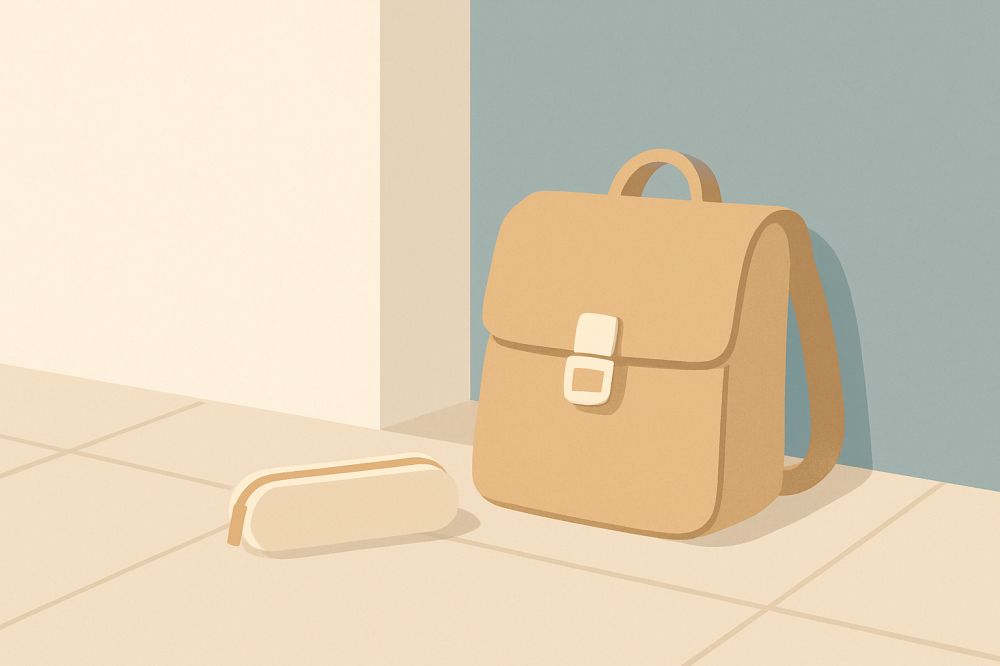
- material independence expected (school bag, planner, homework)
- social relationships more structured by school codes
- cognitive load from writing in the very first weeks
This build-up explains why children who were "like the others" until then fall behind in a few weeks.
The signs to watch in the first six weeks
Without becoming alarmed too quickly, some signs are worth noting:
- flat refusal to go to school, recurring physical complaint in the morning
- unusual tiredness or difficulty falling asleep in the evening
- forgetting spoken instructions, writing that does not appear
- emotional overflow, unusual outbursts, withdrawal
Three concurrent signals warrant a quick conversation with the teacher.
Preparing for the start of Year 2 in advance
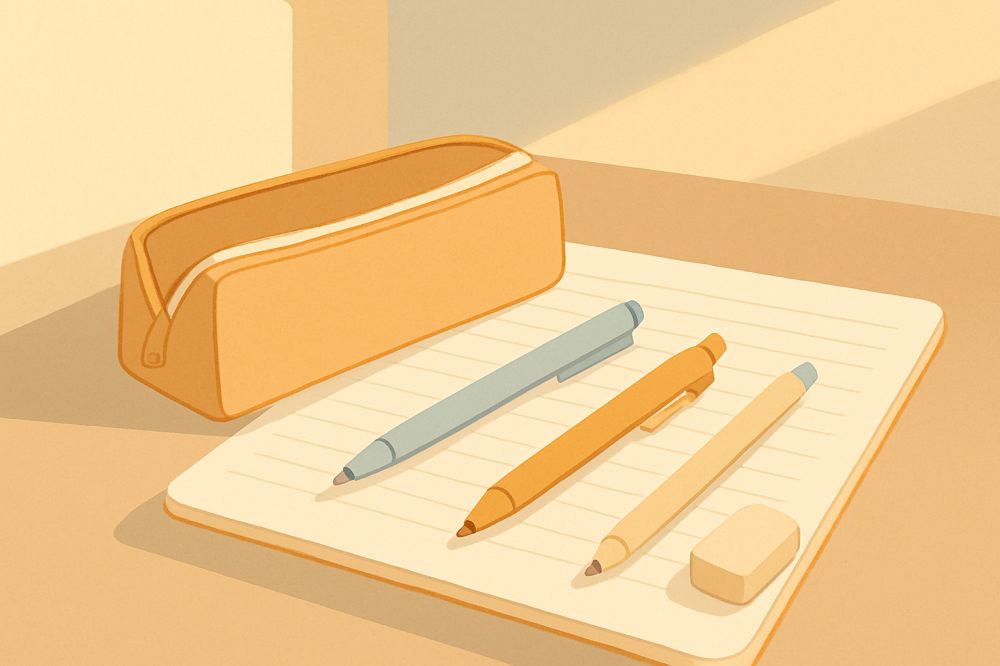
A Year 1 (CP) that goes well begins before the start of the year. A few concrete levers for the summer weeks:
- visit the school with the child if it is new, locate the playground, the toilets, the classroom
- review the nursery-school learning gently without turning the summer into revision
- set up a sleep routine two weeks before the start of the year
- arrange a short appointment with the teacher in the first week, to share what helps your child
This first exchange is often decisive. So as not to have to explain everything again to each adult involved in the schooling (stand-in, AESH, before- and after-school leader), some parents build a myHandiQR profile: a QR code that leads to a profile ready to read in a few seconds.
If a difficulty is suspected but not yet explored, the start of Year 1 (CP) is also the moment to begin the assessment with a speech and language therapist or a neuropsychologist.
The first term, signs and trade-offs
The first term is a valuable observation window. Keep in mind:
- the adjustment tiredness is normal up to the October half-term
- the gaps that persist beyond January warrant a formal appointment
- a national assessment takes place in Year 1 (CP): it is a marker, not a verdict
If you sense that the situation is becoming tense, ask for an educational team before the February break. It is earlier than usual, but it allows adjustments to be put in place before the difficulties turn into a blockage.
Key takeaways
- Year 1 (CP) reveals the dys difficulties or TDAH (ADHD) that went unnoticed in nursery school, especially between October and February.
- Prepare the start of the year in advance: visit the premises, sleep routine, short appointment with the teacher in the first week.
- Observe for six weeks of concrete signals (refusal, tiredness, forgetting, outbursts) before concluding anything other than an adjustment.
- The Year 1 (CP) national assessment is a marker, not a verdict: it does not bind the child's future.
- An educational team before February stops persistent difficulties from turning into a lasting blockage.
Do you live with this disability, or are you supporting someone who does?
Recommended
-

PAP, PPS, PAI: which school support plan for which child
Three acronyms, three logics. Understanding what sets PAP (a learning accommodation plan), PPS (an individualised schooling plan) and PAI (a healthcare plan at school) apart saves …
Read the article -
Requesting extra time in exams: the concrete steps
The brevet, the baccalauréat, higher education: extra time follows a precise procedure and a tight timeline. Here is how to put the application together without leaving it too late…
Read the article