





Hairdresser, dentist, doctor: preparing an appointment when hypersensitivity comes into play
Three appointments where imposed contact, noise and waiting become overwhelming within minutes. How to prepare for them ahead of time, both for the family and for the practitioner.
Three appointments, three sensory challenges
The hairdresser, the dentist and the doctor are three appointments where sensory hypersensitivity comes into play at the worst moment: high-pitched noises, gestures close to the body, prolonged waiting in an unfamiliar room. Preparing these moments takes two steps. One step on the family or person's side, to anticipate. One step on the professional's side, to adapt their practice without making it an event.

Why these three appointments concentrate the difficulties
These three consultations share four at-risk sensory features:
- imposed physical contact without full control by the person
- high-pitched or continuous noises (hairdryer, dental drill, instruments)
- constrained position seated, lying down, head still
- waiting in a room often saturated visually and acoustically
Add the idea that one must stay polite with a stranger who is touching, and the tolerance threshold collapses quickly, in a child as in an adult with a disability.
At the hairdresser
The hairdresser appointment is often the most dreaded:
- favour a short first appointment to get acquainted, even without a cut
- ask not to use the hairdryer or to replace it with a towel
- bring noise-cancelling headphones and an object to hold in the hands
- plan a quiet slot in the middle of the morning rather than a Saturday afternoon
At the dentist
The dental appointment combines potential pain, noise and a mouth held open for a long time:
- plan a first familiarisation appointment with no treatment, just to sit in the chair and see the instruments
- ask the practitioner to announce each gesture before making it
- agree on a stop signal (raising a hand) to regain control
- look into practices trained in welcoming neurodivergent patients
At the GP
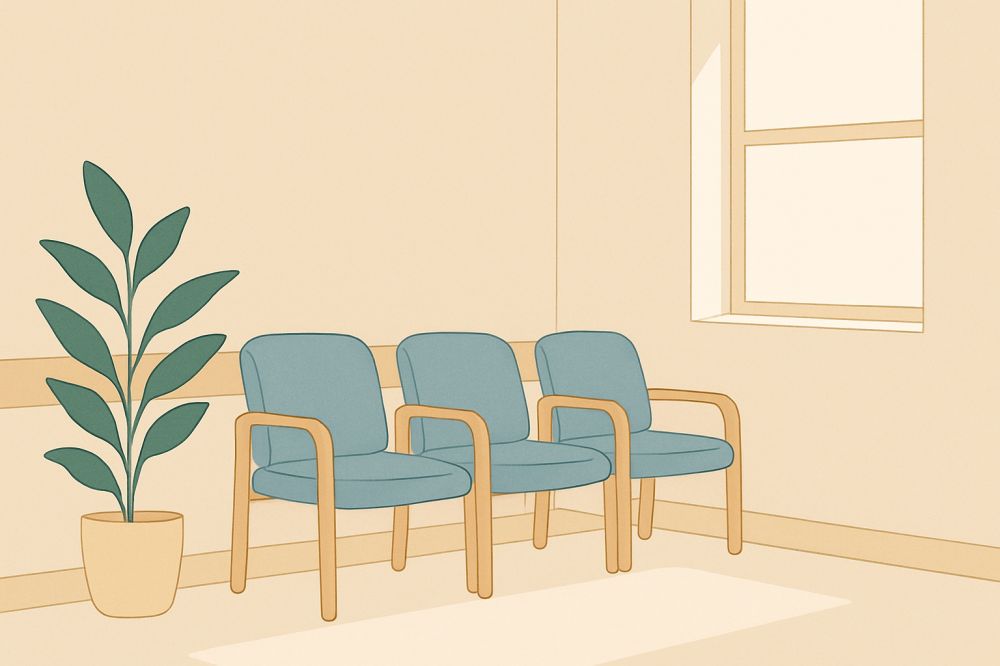
The consultation with a GP is shorter but combines waiting, physical examination and quick conversation:
- book the first slot of the day to avoid the long wait and the full waiting room
- flag the sensory particularity in advance by phone at reception
- prepare a written list of symptoms to avoid forgetting under pressure
- ask that the questions be asked one at a time, not in a string
For first-contact consultations (locum doctor, emergencies, travel), explaining how the person functions before the examination takes time you do not always have. Some families and adults with a disability prepare a myHandiQR profile that the practitioner scans on arrival to get the essentials in a few seconds.
Briefing the professional ahead of time when possible
The more the consultation is planned, the more effective the briefing beforehand. A few useful channels:
- speak to reception on the phone rather than to the practitioner at the start of the session
- leave a one-page note at the first visit with the triggers and what soothes
- ask for an initial appointment with no treatment to meet the practice in a relaxed mode
- leave a reference number to call if a crisis arises (parent, relative, partner)
Key takeaways
- Four common features: imposed contact, high-pitched noise, constrained position, waiting. These are the levers to neutralise.
- Noise-cancelling headphones in the pocket change a great deal, even at the hairdresser or in the waiting room.
- A first familiarisation appointment with no treatment secures the following visits, especially at the dentist.
- Briefing reception by phone is more effective than explaining to the practitioner in the moment.
- An agreed stop signal gives back control when the constrained position becomes unbearable.